
Depression-Dysthymia refers to a mood disorder characterized by a combination of major depressive episodes and persistent low mood. It encompasses both severe depressive symptoms and long-term, chronic feelings of sadness, affecting overall emotional well-being and daily functioning.
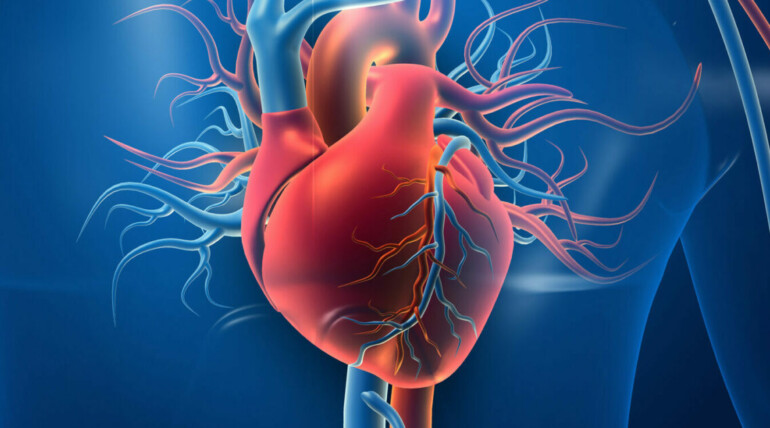
Refers to a range of conditions affecting the heart, including coronary artery disease, heart failure, and arrhythmias. These diseases can lead to serious health complications and require ongoing management.
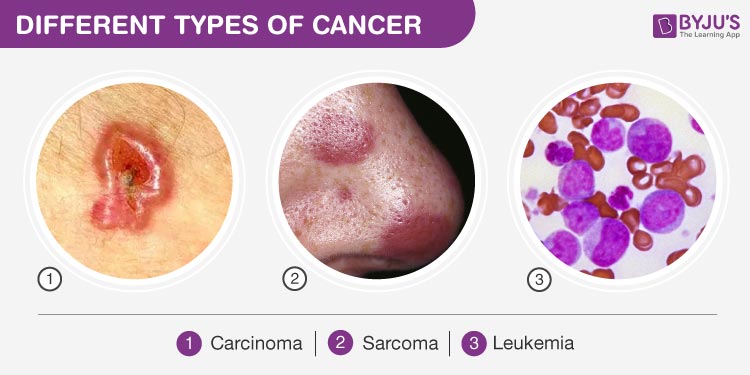
A group of diseases characterized by the uncontrolled growth of abnormal cells in the body. Cancer can affect various organs and systems, requiring tailored treatment approaches.
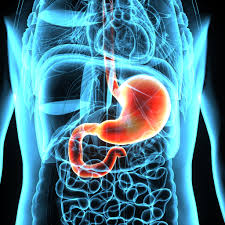
Conditions affecting the stomach and digestive system, including gastritis, acid reflux, and irritable bowel syndrome (IBS). These disorders can cause discomfort, pain, and changes in digestion.
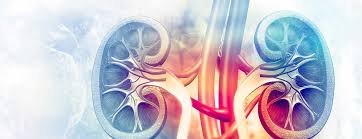
Conditions affecting the urinary system, including the bladder, kidneys, and urethra. Common disorders include urinary incontinence, urinary tract infections (UTIs), and kidney stones.
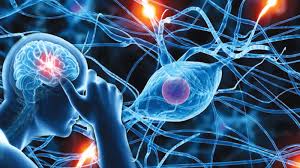
A range of conditions affecting the nervous system, including the brain, spinal cord, and nerves. Examples include epilepsy, multiple sclerosis, and Parkinson’s disease.

A response to challenges or demands that can lead to physical and emotional symptoms. Chronic stress can negatively impact health, contributing to anxiety and various disorders.

A group of conditions affecting the bones, joints, and muscles, causing pain, limited mobility, and disability. Common examples include arthritis, fractures, and osteoporosis.

A neurological condition marked by recurrent, severe headaches often accompanied by nausea, vomiting, and sensitivity to light and sound. Migraines can be triggered by various factors, including stress and dietary choices.

A holistic program designed to enhance emotional well-being and reduce stress through mindfulness, breathing techniques, and positive psychology practices.